
Psychology in Gambling – The Importance of Responsible Play

Table of Contents
| Introduction | How Psychology Shapes Gambling Behavior |
| The Role of Rewards and Bonuses | The Mindset of Responsible Play |
| Practical Tools for Safer Gaming | FAQ |
Psychology in Gambling – The Importance of Responsible Play
Walking into a casino, or logging into an online one, can feel like stepping into a world built to captivate every sense. Bright colors, rhythmic sounds, flashing lights – everything seems designed to pull you deeper into the moment. Even digital platforms mimic that sensation. The instant gratification, the randomness of a slot’s spin, the small wins that ignite a spark of excitement. It all connects to psychology more than most players realize.
It might sound strange, but understanding the psychological pull behind gambling can actually make playing more enjoyable – and safer. I first noticed this while exploring various digital casinos that offered generous welcome offers, like the SpinBet casino bonus. The concept of a “bonus” feels simple at first glance – you get something extra. But the emotions that come with that, the anticipation, the little dopamine rush, are where the real story lies. They feed a very human desire for reward and recognition.
How Psychology Shapes Gambling Behavior
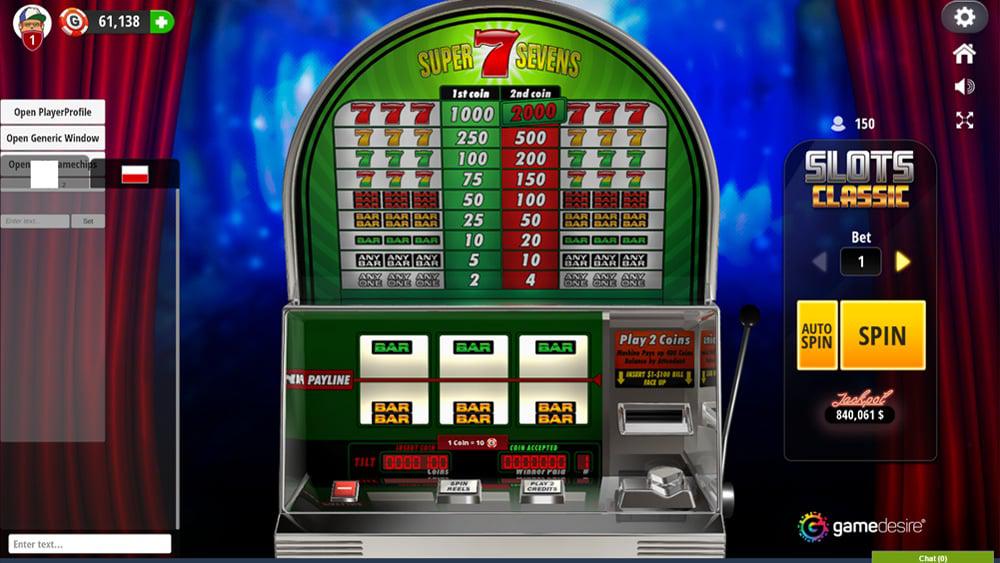
Gambling, whether in a sleek casino or through a mobile app, plays on the natural tendencies of the human mind. The idea of random reward schedules – experts often use this term – explains why people keep spinning the slots or trying again after near-wins. Every spin seems unpredictable but close enough to victory that giving up feels like missing out on something just within reach. It’s both clever design and a slice of human vulnerability mixed together.
Sometimes, that sense of “almost winning” can influence players more strongly than an actual win. The near-miss effect, researchers call it. It tricks the brain into releasing a quick boost of motivation, leading you to think success is right around the corner. It isn’t manipulation per se; it’s a reflection of how all humans respond to chance and uncertainty.
Patterns, Illusions, and Emotions
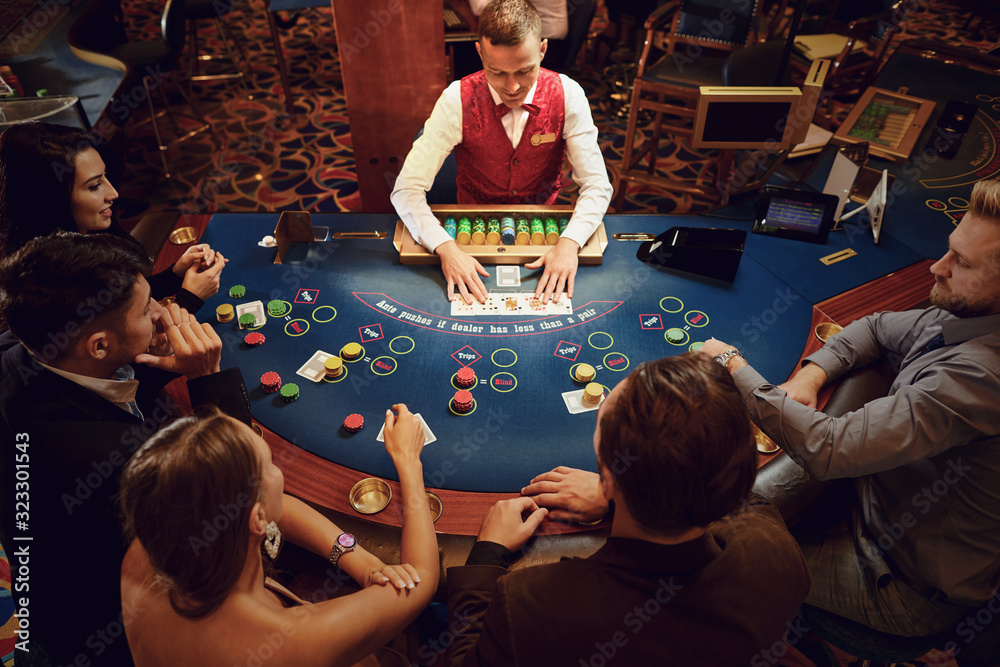
Interestingly, casinos and online platforms rely on much more than chance. They know that humans love patterns, even when there are none. Players might start seeing streaks, lucky numbers, or tell themselves that certain machines are ‘due’ to pay out. It’s an illusion of control, one that keeps the engagement alive. I’ve noticed it myself, staring at the reels, thinking maybe one more spin will “fix” my luck. It rarely does, but the thought seems logical in the moment.
The Role of Rewards and Bonuses
Bonuses and promotions trigger more psychological reactions than people assume. The structure of a reward system encourages continued play through intermittent reinforcement. Every surprise offer, free spin, or cash-back offer acts as a small push, nudging engagement just enough to keep people curious and emotionally involved. It’s not just about getting something for free – it’s about feeling valued by the platform.
Why Bonuses Work
When players encounter enticing offers, they release dopamine in the brain. It’s the same chemical that shows up when we’re excited about good news or a pleasant surprise. The mechanism is simple but powerful. You feel motivated to take that next spin, use the next credit, and perhaps stay longer than planned. Casinos, of course, provide ways to enjoy these perks responsibly, if you set boundaries before you start. That part is up to each player.
The Mindset of Responsible Play
Responsible play, as many gambling advocates stress, isn’t about avoiding games altogether. It’s about understanding how and why you play. Self-awareness matters more than luck. Once I started setting limits – both in time and in money – I noticed that the excitement didn’t vanish; it just became more mindful. Oddly enough, playing responsibly added a calmer, more deliberate enjoyment to the whole experience. It might feel restrictive at first, but it’s empowering once you settle into it.
Awareness as Protection
Some platforms even include tools and reminders to promote balance. They let you pause a session, receive alerts after long activity, or even take short breaks. These features reflect an understanding of the player’s psychological cycle. Sometimes we just need a little popup saying, “Hey, maybe step away for a bit.” And honestly, that reminder can make all the difference.
According to modern behavioral studies, awareness doesn’t kill the thrill, it refines it. Humans crave stimulation, not recklessness. Understanding that your own emotions play into the betting cycle gives a subtle but powerful sense of control – much like a tooltip popping up unexpectedly during gameplay to say, true information about what’s really going on beneath the surface.
Practical Tools for Safer Gaming
Online casinos have grown far more transparent in their effort to align business goals with user well-being. Deposit limits, selective self-exclusion, and spending trackers all help transform gambling from a risk into a manageable entertainment form. It’s a shift in industry culture – one that values long-term trust rather than short-term profit.
| Tool | Purpose | How It Helps |
|---|---|---|
| Deposit Limit | Control spending | Keeps budgets intentional, not impulsive. |
| Self-Exclusion | Pause gambling | Prevents burnout and emotional overspending. |
| Session Reminder | Track time spent | Encourages taking breaks and reducing fatigue. |
These measures don’t dull the enjoyment. If anything, they enhance trust in the platform. When players know their limits are respected, loyalty often follows naturally. That sense of mutual respect defines the new age of gambling – a mix of thrill, awareness, and choice.
FAQ
What is responsible gambling?
Responsible gambling means maintaining self-control, knowing when to stop, and ensuring that play remains a recreational activity rather than a financial solution.
Do online casinos encourage responsible habits?
Yes, most modern platforms include built-in tools for self-limiting behavior, time management, and account protection.
Can psychological strategies actually prevent problem gambling?
Awareness and education can reduce risk significantly. Recognizing emotional triggers – boredom, stress, or overconfidence – can stop impulsive decisions before they escalate.
Does understanding psychology make playing less fun?
Not at all. In fact, it adds depth. Once you understand what’s pulling your attention, you can enjoy the games in a more conscious and satisfying way.


